
Common Mini Split Error Codes: What They Mean and When to Call for Service

Steve McDonough • June 16, 2026

Quick Summary

If your mini split isn’t blowing cold air, the issue is often something simple—like a tripped breaker, incorrect settings, dirty filters, or a blocked outdoor unit. You can safely check a few basics first, but if the system keeps blowing warm air or struggles to cool, it’s likely a deeper issue that needs professional repair.


When your mini split stops cooling, it’s usually not random—there’s a clear cause behind it.

We help homeowners across New Hampshire and Southern Maine troubleshoot these exact issues every day, from Wakefield and Rochester to Portsmouth, Conway, York, and Wells. Before you assume the worst, there are a few practical things you can check that may get your system back up and running quickly.


1. Check the Breaker and Power First

Start with the basics.


If your system isn’t cooling—or not running at all—it could be a power issue.


What to check:

  • Electrical panel for a tripped breaker
  • Outdoor disconnect switch
  • Indoor unit power status


Reset the breaker once. If it trips again, stop there—that’s a sign of a deeper electrical issue.


2. Remote Settings Are Wrong (More Common Than You Think)

Mini splits rely entirely on their remote or wall control—and small setting mistakes can shut down cooling.


Make sure:

  • The system is set to COOL mode
  • The temperature is set below the current room temp
  • Fan speed isn’t set too low
  • Batteries in the remote are fresh


Common issue: AUTO mode can confuse things, switching between heating and cooling when you don’t expect it.


3. Dirty Air Filters Are Restricting Airflow

If airflow is restricted, your system can’t cool effectively—even if it’s technically running.


Signs:

  • Weak airflow
  • Room not reaching set temperature
  • System running constantly


Remove and clean the filters with warm water, then let them dry completely before reinstalling.

This is one of the simplest fixes—and one of the most overlooked.


4. Indoor Coil Problems (Including Ice)

If your system is blowing warm or inconsistent air, the indoor coil may be dirty or frozen.


Causes:

  • Dirty filters
  • Blocked airflow
  • Low refrigerant


What you might notice:

  • Ice buildup on the unit
  • Water dripping after running
  • Cooling that fades over time


If you see ice, turn the system off and let it thaw. If it happens again, it’s time for service.


5. Outdoor Unit Is Blocked or Overheating

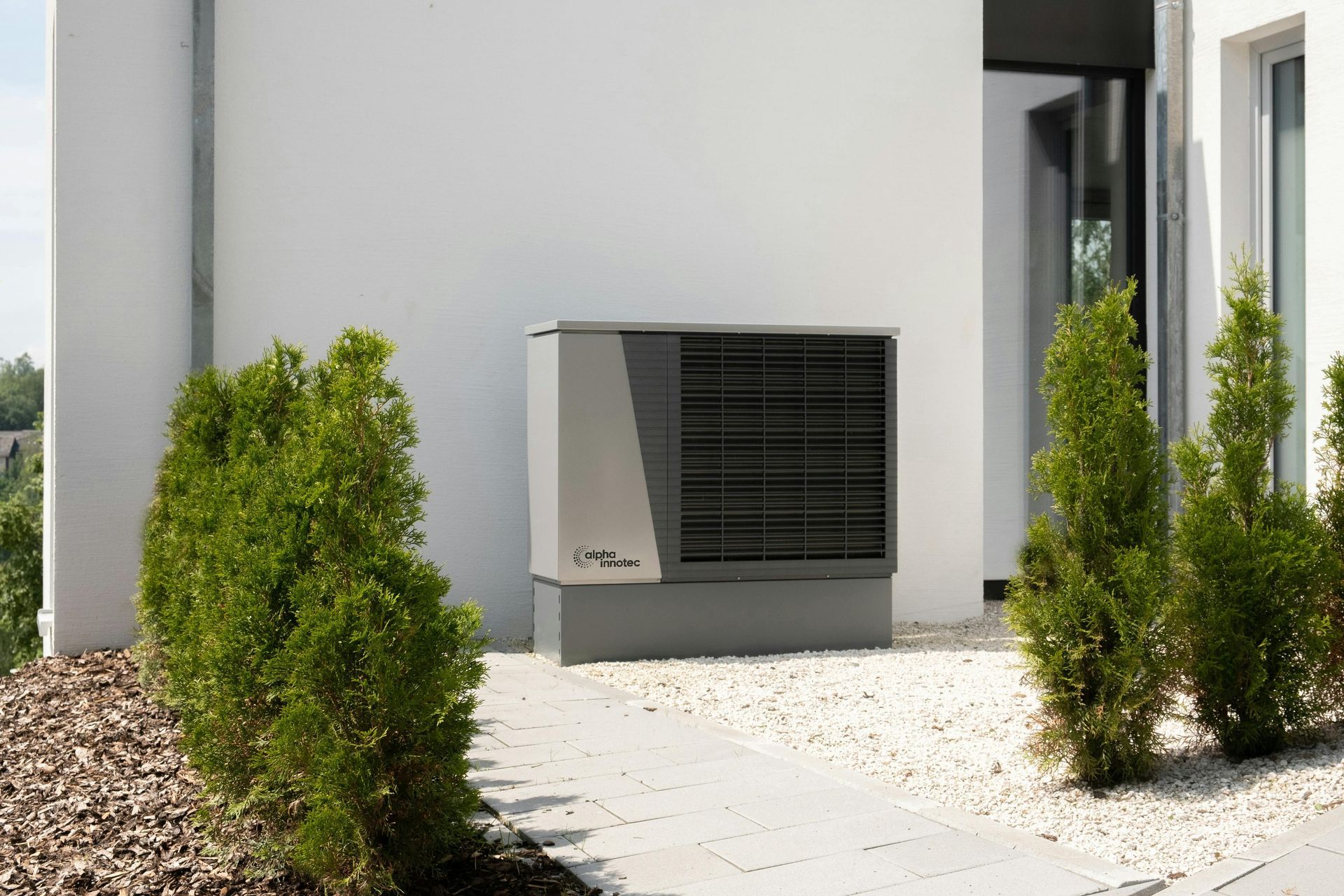
Your mini split dumps heat outside. If that process is blocked, cooling performance drops fast.


Check for:

  • Leaves, dirt, or debris around the unit
  • Grass or shrubs blocking airflow
  • Dirt buildup on the coils


Clear at least 1–2 feet of space around the outdoor unit.

This is especially important in coastal areas like Portsmouth, York, and Wells, where salt and debris build up faster.


6. Refrigerant Warning Signs

If your system is running but not cooling, low refrigerant is a strong possibility.


Watch for:

  • Warm air blowing consistently
  • Longer run times with poor results
  • Ice buildup on the coil
  • Hissing or bubbling sounds


Refrigerant issues are not DIY. They require proper diagnosis, leak detection, and recharge.

👉 Learn more here:
Mini-Split Repair & Maintenance:
https://www.mcdonoughheatncool.com/mini-split-repair-service


7. When Warm Air Means a Bigger Problem

If you’ve checked everything above and your system still isn’t cooling, the issue may involve:

  • Compressor problems
  • Faulty sensors
  • Electrical/control board issues
  • Improper installation or system sizing


At that point, guessing won’t help—you need a proper diagnosis.


Safe Troubleshooting Steps (Quick Recap)

Before calling, you can safely:

  • Reset the breaker once
  • Confirm COOL mode and temperature settings
  • Replace remote batteries
  • Clean air filters
  • Clear debris around the outdoor unit


If those don’t fix it, the issue is likely internal.


Why This Happens More in NH & Southern Maine

Cooling issues tend to show up faster in certain conditions:

  • Older homes: airflow limitations and retrofits
  • Vacation homes: systems sitting unused, then overworking
  • Coastal properties: salt air buildup affecting outdoor units


We’ve seen all of these across New Hampshire and Southern Maine—and they require a local, experienced approach.


Local Service You Can Rely On

At McDonough Heating & Cooling, we handle mini split repair and maintenance directly—no guesswork, no runaround.

We’ve worked on systems in homes just like yours across Wakefield, Rochester, Portsmouth, Conway, York, and Wells, so we know what to look for and how to fix it quickly.


Learn more about our services here:
👉
https://www.mcdonoughheatncool.com


Don’t Wait—Fix It Before It Gets Worse

A mini split that isn’t cooling properly won’t fix itself—and the longer it runs that way, the worse the problem can get.


👉 Contact us here:
https://www.mcdonoughheatncool.com/contact

Call or text McDonough Heating & Cooling today to get your system diagnosed and back to cooling the way it should.

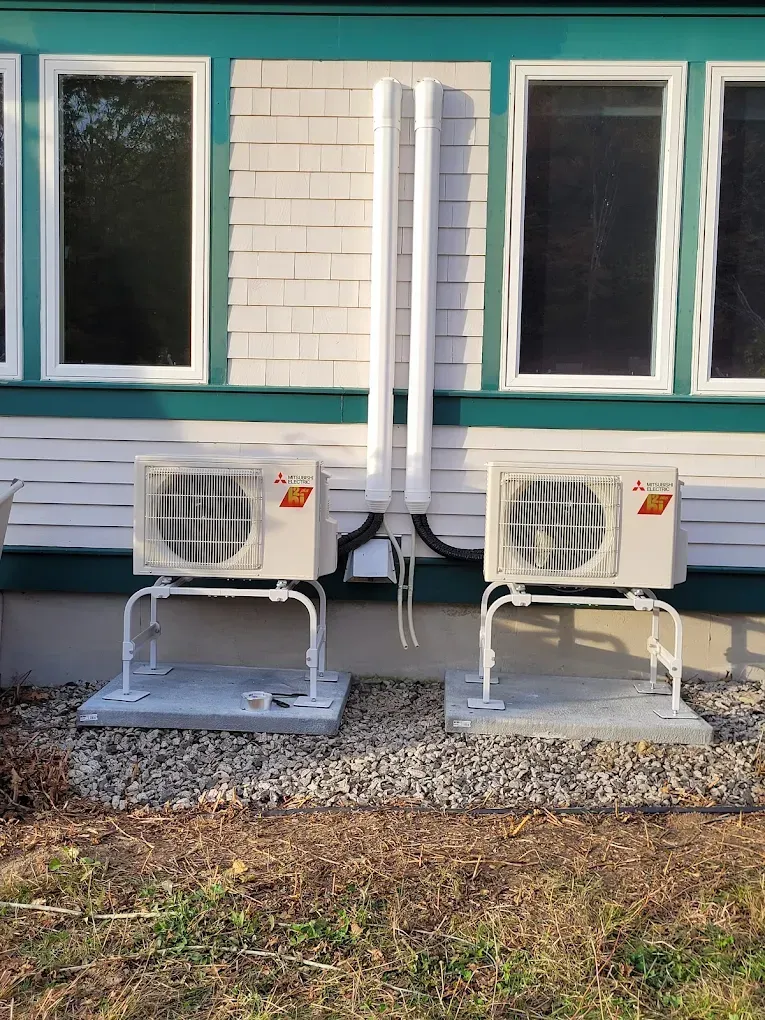
Two white Mitsubishi mini-split outdoor units sitting on concrete pads against a white wall with two vertical pipes.
By Steve McDonough April 15, 2026
Mini split leaking water inside? Learn the common causes, what you can check, and when to call McDonough Heating & Cooling in NH & Southern Maine.
By Steve McDonough April 15, 2026
Mini split not heating? Learn common causes, quick fixes, and when to call McDonough Heating & Cooling in NH & Southern Maine for fast service.
By Steve McDonough March 12, 2026
Why Heat Pumps Are the Smart Choice for New England Homes Heating and cooling homes in New Hampshire and Southern Maine requires a system that can handle freezing winters and humid summers. That’s why many homeowners are turning to mini-split heat pumps —an energy-efficient solution that provides both heating and cooling in one system. Mini-splits are ideal for New England homes because they deliver reliable comfort without requiring ductwork, making them perfect for older houses, additions, and rooms that never seem to stay comfortable. What Is a Mini-Split Heat Pump? A mini-split heat pump is a ductless HVAC system that transfers heat rather than generating it. In winter, it pulls heat from the outside air and moves it into your home. In summer, it reverses the process to cool your space. Each system includes: An outdoor heat pump unit One or more indoor air handlers Refrigerant lines connecting the system Because the system moves heat instead of creating it, heat pumps can operate far more efficiently than traditional heating systems. Benefits of Installing a Heat Pump Energy Efficiency Heat pumps use less energy than traditional systems like oil or propane heating, helping reduce monthly utility bills. Heating and Cooling in One System Mini-splits provide year-round comfort , delivering heat in winter and air conditioning in summer. Zoned Comfort Each indoor unit can be controlled separately, allowing you to heat or cool specific rooms instead of the entire house. Perfect for Homes Without Ductwork Mini-splits are an excellent solution for older homes across New Hampshire and Southern Maine where installing ductwork isn’t practical. Signs Your Mini-Split Needs Repair Even reliable systems occasionally need service. You may need professional repair if you notice: Weak airflow Unusual noises Ice buildup on the outdoor unit Rising energy bills Uneven temperatures Routine maintenance can keep your system running efficiently and extend its lifespan. Professional Mini-Split Services in NH & Southern Maine If you're considering a heat pump installation or need mini-split repair , working with experienced HVAC professionals ensures your system is properly sized and installed for New England’s climate. McDonough Heating & Cooling provides expert mini-split installation, repair, and maintenance for homeowners throughout New Hampshire and Southern Maine , helping you enjoy efficient comfort in every season.
By Steve McDonough February 10, 2026
Mini-split heat pump systems have become one of the most popular heating and cooling options in New Hampshire and southern Maine—and for good reason. With the ability to handle humid summers and cold winters, modern mini-splits offer year-round comfort, energy efficiency, and flexibility that traditional systems often can’t match. How Mini-Splits Work Mini-splits are ductless heat pump systems made up of an outdoor condenser and one or more indoor air handlers. Instead of generating heat, they move heat—pulling warmth from the outside air in winter and removing heat from inside the home during summer. This process allows them to deliver consistent comfort with far less energy use than oil, propane, or electric resistance systems. Performance in Cold New England Winters One of the biggest concerns homeowners have is whether mini-splits work in freezing temperatures. Cold-climate models, including Hyper-Heat systems, are designed to operate efficiently even when outdoor temperatures drop well below zero. These systems are commonly used as primary heating sources throughout the Lakes Region, Seacoast, and southern Maine. Energy Efficiency and Cost Savings Because mini-splits don’t rely on ductwork, they avoid the energy losses common in forced-air systems. Many homeowners see lower monthly energy bills, especially when replacing oil or electric baseboard heat. High-efficiency models may also qualify for local and state rebates, helping reduce upfront costs. Ideal Uses for Mini-Split Systems Mini-splits work well in a wide range of situations, including: Older homes without existing ductwork Additions, garages, and finished basements New construction projects Single-room comfort upgrades Multi-zone whole-home systems Their flexibility makes them a strong option for both targeted comfort and full-home solutions. Maintenance and Long-Term Reliability Like any HVAC system, mini-splits perform best when properly maintained. Routine cleaning, seasonal checkups, and timely service help extend system life and maintain efficiency. Well-installed and maintained systems can provide reliable comfort for many years.  Is a Mini-Split Right for Your Home? Every home is different, and factors like layout, insulation, usage, and heating goals all matter. For homeowners in New Hampshire and southern Maine looking for an efficient, quiet, and versatile heating and cooling solution, mini-splits are often a smart long-term investment. If you’re considering a new installation or want to get more out of an existing system, working with a specialist who understands local conditions makes all the difference.
By Steve McDonough January 1, 2026
Why More Homeowners Are Upgrading to Energy-Efficient Heating As energy costs continue to rise across New Hampshire and Southern Maine , homeowners are searching for more efficient ways to heat and cool their homes. One of the most popular upgrades today is installing a high-efficiency heat pump . Heat pumps are quickly becoming the preferred HVAC solution in New England because they provide both heating and cooling while using significantly less energy than traditional systems . If you're considering upgrading your home's comfort system, a modern heat pump could be the ideal solution. How Heat Pumps Work Unlike furnaces or boilers that generate heat by burning fuel, heat pumps move heat from one place to another . During winter, a heat pump pulls heat from outdoor air and transfers it into your home. During summer, the system reverses and removes heat from inside your home, working just like an air conditioner. Because they transfer heat rather than create it, heat pumps are extremely energy efficient . Why Heat Pumps Work Well in New England Modern heat pumps are designed to perform well in colder climates. Today’s cold-climate heat pumps can operate efficiently even when outdoor temperatures drop well below freezing. This makes them a reliable option for homes throughout: New Hampshire Southern Maine Coastal New England communities Many homeowners pair heat pumps with existing heating systems to create a hybrid heating solution that maximizes efficiency year-round. Benefits of Installing a Heat Pump Lower Heating Costs Heat pumps typically use less energy than traditional heating systems like oil, propane, or electric resistance heat. This can help homeowners reduce monthly utility bills. Year-Round Comfort One system provides both heating in the winter and cooling in the summer , eliminating the need for separate HVAC equipment. Improved Indoor Comfort Heat pumps provide consistent airflow and help maintain more stable indoor temperatures compared to older heating systems. Environmentally Friendly Because they use less energy and often run on electricity rather than fossil fuels, heat pumps are considered a more environmentally friendly heating solution. When to Consider Heat Pump Installation A heat pump upgrade may be a great option if: Your current heating system is more than 15 years old You rely on expensive oil or propane heating You want to add air conditioning to your home Certain rooms in your home are difficult to heat or cool Many homeowners also install ductless mini-split heat pumps when adding living space or finishing basements. Professional Heat Pump Installation Matters Proper system sizing and installation are critical for heat pump performance. An experienced HVAC professional will evaluate your home’s insulation, layout, and heating requirements to determine the right system. A correctly installed heat pump will provide better comfort, higher efficiency, and longer system life . Heat Pump Installation & Service in New Hampshire and Southern Maine If you're looking to improve comfort and efficiency in your home, installing a heat pump is one of the best upgrades available today. McDonough Heating & Cooling provides professional heat pump installation, repair, and maintenance for homeowners throughout New Hampshire and Southern Maine . Our experienced technicians help you choose the right system to keep your home comfortable in every season.