
Single-Zone vs. Multi-Zone Mini Splits: What Makes More Sense for Your Home?
Quick Summary
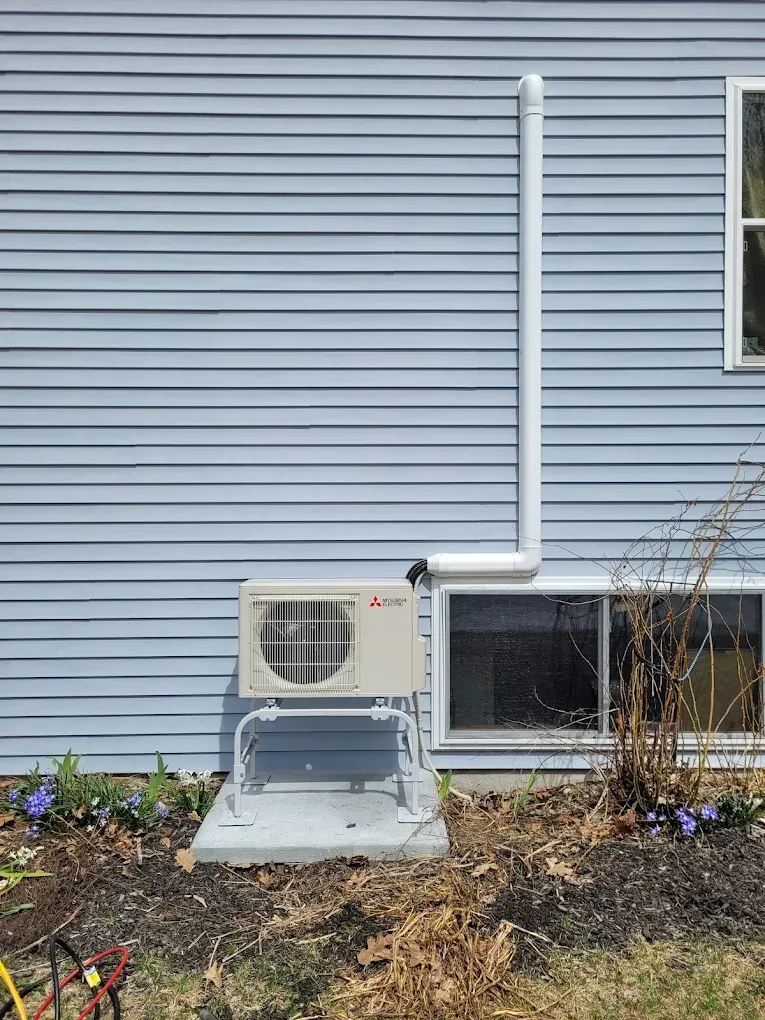
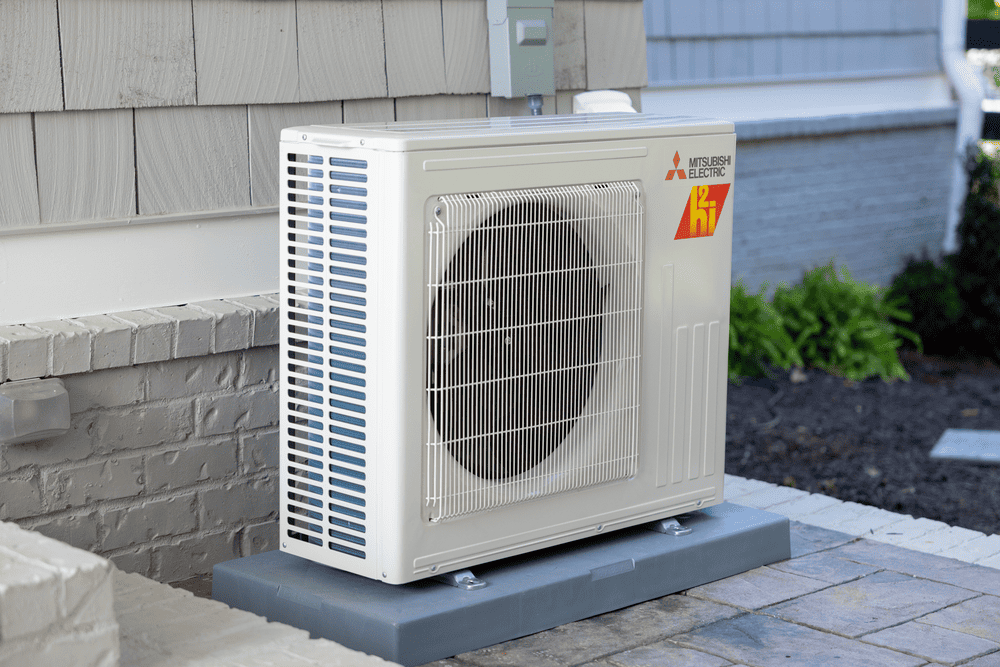
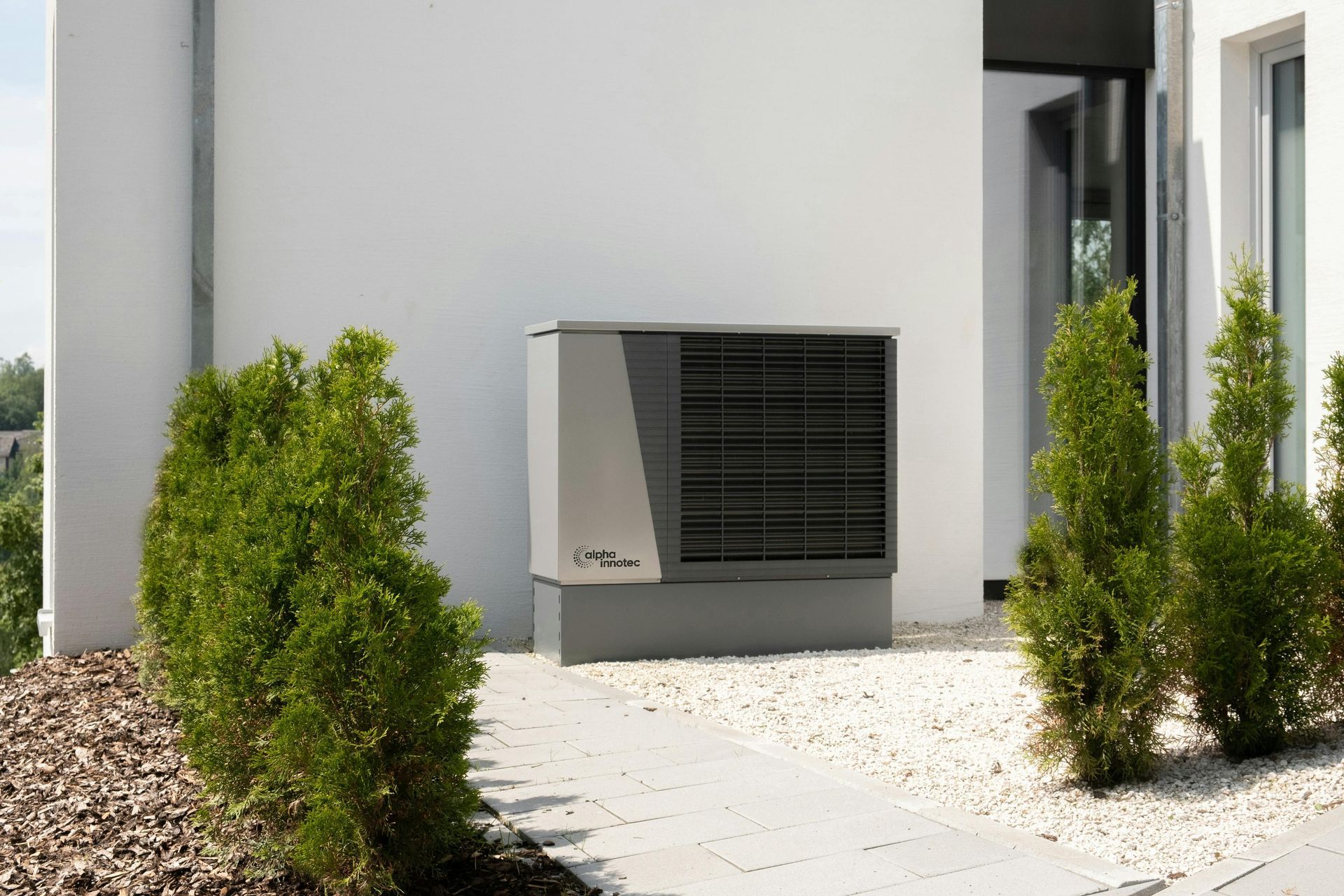
Single-zone mini splits connect one indoor unit to one outdoor unit and are best for heating or cooling a single space. Multi-zone systems connect multiple indoor units to one outdoor unit, making them a better fit for whole-home comfort or multiple rooms.
The right choice depends on your layout, budget, and how you plan to use the system.
If you’re considering a mini split system for your home in New Hampshire or Southern Maine, one of the first decisions is whether to go with a single-zone or multi-zone setup.
We help homeowners make this call every day—from Wakefield and Rochester to Portsmouth, Conway, York, and Wells—and the answer isn’t one-size-fits-all. It comes down to how your home is laid out, how many spaces you want to control, and how you plan to use the system long term.
Here’s a clear breakdown to help you decide.
What’s the Difference?
Single-Zone Mini Split
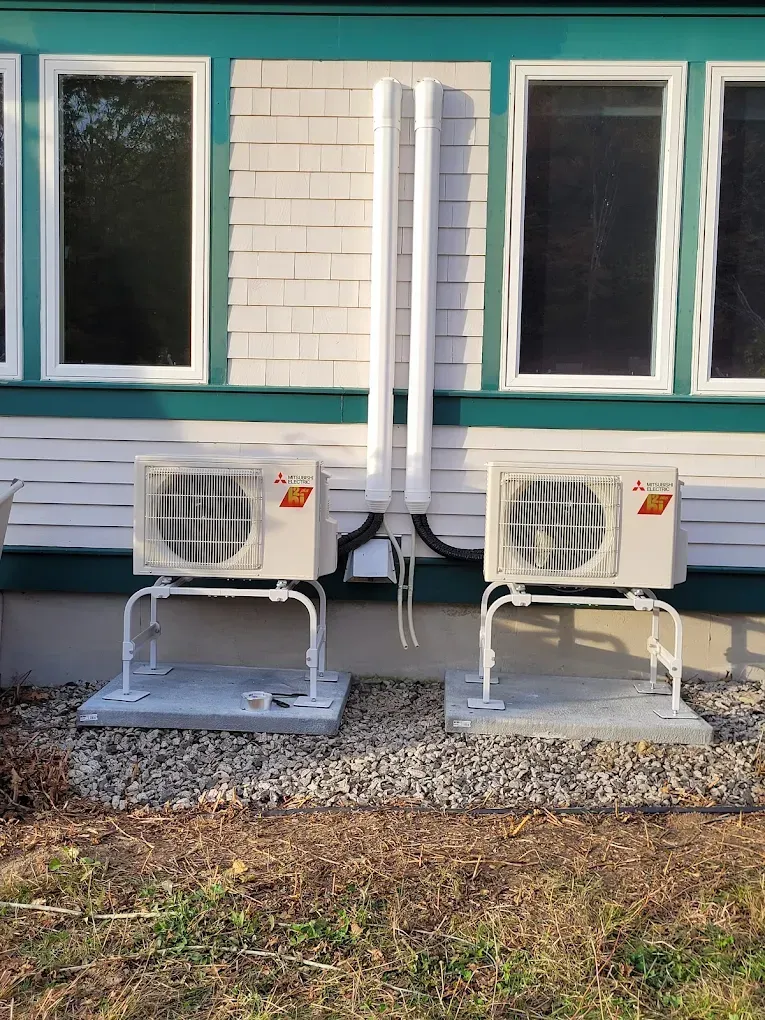
- One outdoor unit
- One indoor unit
- Designed for a single room or area
Multi-Zone Mini Split
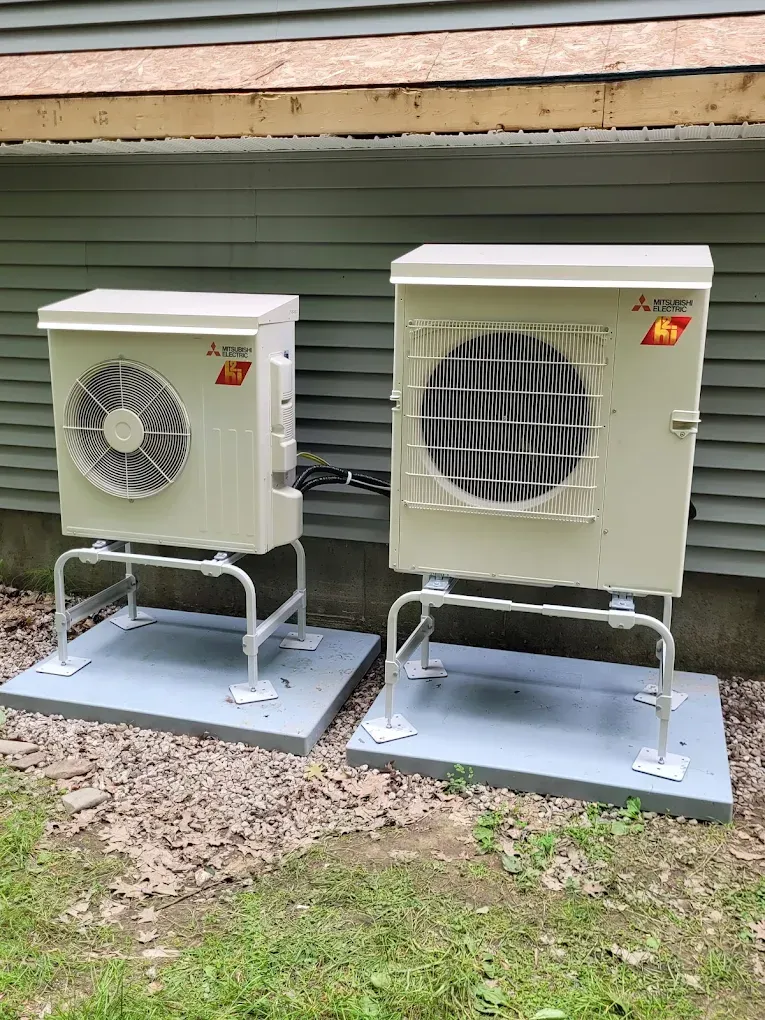
- One outdoor unit
- Multiple indoor units
- Designed for multiple rooms or whole-home coverage
Simple structure, but the implications matter when it comes to performance, cost, and flexibility.
Efficiency: Which One Performs Better?
Single-Zone Systems
Single-zone systems are typically more efficient per unit.
Why:
- The system is dedicated to one space
- No energy is split across multiple zones
- Faster response time for heating and cooling
They’re ideal when you want maximum performance in a specific area.
Multi-Zone Systems
Multi-zone systems are efficient overall—but they divide output across multiple indoor units.
That means:
- Slightly less efficiency per room compared to single-zone
- More flexibility in controlling different areas
For whole-home setups, the tradeoff is usually worth it.
Room-by-Room Control
Single-Zone
- Controls one space only
- Simple, straightforward operation
Multi-Zone
- Each indoor unit has its own control
- Customize temperatures room by room
This is a major advantage in homes where:
- Some rooms run hotter or colder
- Bedrooms, offices, and living spaces need different settings
Upfront Cost
Single-Zone
- Lower upfront cost
- Less equipment
- Simpler installation
Best for targeted upgrades like:
- Additions
- Garages
- Finished basements
Multi-Zone
- Higher upfront investment
- More equipment and labor
- More complex system design
But it can still be more cost-effective than installing multiple single-zone systems in some cases.
Future Expansion
Single-Zone
- Limited to one area
- Adding more zones later means adding more systems
Multi-Zone
- Designed with expansion in mind
- Can sometimes add indoor units later (depending on system capacity)
If you’re planning long-term upgrades, this matters.
Equipment Complexity
Single-Zone
- Simple system
- Fewer components
- Easier to maintain and troubleshoot
Multi-Zone
- More complex
- More connections and controls
- Requires proper system design to avoid performance issues
This is where working with an experienced installer really matters.
Common Use Cases in NH & Southern Maine
We see clear patterns in how homeowners use each system type.
Single-Zone Mini Splits Are Best For:
- Home additions
- Older homes without ductwork (targeted rooms)
- Finished basements or attics
- Offices or bonus rooms
- Garage conversions
If you’re solving a comfort problem in one specific space, single-zone is usually the right move.
Multi-Zone Mini Splits Are Best For:
- Whole-home retrofits
- Homes without existing ductwork
- Replacing baseboard or oil heat systems
- Multiple rooms with different comfort needs
These systems are common in older New England homes where ductwork isn’t practical.
What About Older Homes?
Many homes across New Hampshire and Southern Maine weren’t built with central HVAC in mind.
Mini splits—especially multi-zone systems—are often the most practical solution for:
- Preserving the structure of the home
- Avoiding major renovations
- Adding efficient heating and cooling without ductwork
Coastal and Climate Considerations
In areas like Portsmouth, York, and Wells, systems also need to handle:
- Salt air exposure
- High humidity
- Temperature swings
System design and placement matter just as much as system type.
Choosing the Right System Starts with the Right Design
The biggest mistake we see isn’t choosing the wrong type—it’s choosing a system that isn’t designed properly for the home.
That’s why we take the time to:
- Evaluate layout and usage
- Size the system correctly
- Plan for airflow and placement
- Consider long-term needs
At McDonough Heating & Cooling, we design and install both single-zone and multi-zone mini split systems based on what actually makes sense for your home—not a one-size-fits-all approach.
👉 Learn more about installation:
https://www.mcdonoughheatncool.com/mini-split-installation
👉 Explore why homeowners choose mini splits:
https://www.mcdonoughheatncool.com/why-mini-splits
Which One Makes More Sense for You?
If you’re only trying to fix one problem area, a single-zone system is usually the simplest and most cost-effective option.
If you’re looking for whole-home comfort or planning a larger upgrade, a multi-zone system gives you flexibility and control.
The right answer depends on your home—not just the equipment.
Schedule a Quote or Site Visit
If you’re not sure which setup is right, we can walk through it with you.
Call or text McDonough Heating & Cooling to schedule a quote or site visit. We’ll evaluate your home, explain your options clearly, and design a system that actually fits how you live.